Discovering the right pc part seller in 2026 is crucial for every gamer especially those balancing jobs and families Navigating the vast market of computer hardware can be daunting with so many options from online retailers to local shops This guide provides essential insights into identifying reliable sellers understanding market trends and securing the best components for your gaming rig We cover everything from verifying product authenticity to evaluating customer support ensuring you get value for money and optimal performance for your beloved PC setup Learn how to make informed decisions about your next upgrade or build avoiding common pitfalls and maximizing your gaming enjoyment Stay ahead of the curve with our expert advice on trending parts and seller practices designed for the busy but passionate gamer This resource helps you secure the best deals and reliable hardware for seamless gaming sessions
Who are the most trusted PC part sellers in 2026 for US gamers?
The most trusted PC part sellers in 2026 for US gamers continue to be established retailers like Newegg, Amazon, Micro Center, and B&H Photo. These sellers consistently offer a wide selection, competitive pricing, and generally reliable customer service. For specific brands, purchasing directly from manufacturer websites like NVIDIA, AMD, or ASUS can also be a trusted option, ensuring genuine products and direct warranty support. Reputation, long-standing presence, and transparent policies are key indicators of trust.
What factors should I consider when evaluating a PC part seller's credibility?
When evaluating a PC part seller's credibility, consider several crucial factors. Look for a strong online reputation backed by numerous positive customer reviews across various platforms, not just their own site. Check for clear and easily accessible warranty and return policies. Assess their customer support responsiveness and availability. A credible seller will provide detailed product descriptions, genuine images, and transparency regarding stock and pricing. Also, verify their physical address or contact information to ensure they are a legitimate operation. Avoiding sellers with frequent complaints about shipping, product defects, or difficult returns is vital.
How do I avoid counterfeit PC parts from online sellers?
To avoid counterfeit PC parts from online sellers, always purchase from highly reputable and authorized dealers. Be extremely wary of deals that seem too good to be true, especially for high-demand components like GPUs or CPUs. Examine product images closely for inconsistencies, spelling errors on packaging, or altered logos. Cross-reference serial numbers with manufacturer databases if possible upon receipt. If buying from marketplace sellers, check their history of selling genuine products and use platforms with robust buyer protection. Avoid obscure sellers or websites with unprofessional designs and unusual payment requests.
Is buying refurbished PC parts a good idea from certain sellers?
Buying refurbished PC parts can be an excellent way to save money, provided you purchase from reputable sellers. Certified refurbishers, often direct from manufacturers (e.g., EVGA B-Stock, Corsair Refurbished) or major retailers, usually provide a warranty (though shorter than new) and ensure parts are tested and in good working condition. Avoid unknown sellers of refurbished parts on peer-to-peer marketplaces unless they offer very strong guarantees, video proof, and have excellent individual feedback. For components like power supplies or storage drives, where reliability is critical, new is often safer unless the refurbished source is exceptionally trusted.
Where can I find the best deals on PC parts this month?
To find the best deals on PC parts this month, consistently check major retailers like Newegg, Amazon, and Micro Center for their daily, weekly, or flash sales sections. Utilize price tracking websites such as PCPartPicker.com or CamelCamelCamel to monitor price drops and historical trends, ensuring you're getting a genuine discount. Subscribe to newsletters from your favorite pc part sellers, as they often announce exclusive deals to subscribers first. Keep an eye on community deal sites like Slickdeals or r/buildapcsales on Reddit, where users often share the latest and greatest discounts available. Holiday sales and major tech events are also prime times for significant price reductions.
Why is customer support important when choosing a PC part seller?
Customer support is incredibly important when choosing a PC part seller because even with new components, issues can arise – from shipping damage to compatibility questions or outright defects. Accessible and responsive customer support ensures you can quickly resolve problems, get technical assistance, or facilitate returns/RMAs without undue stress or delay. For busy gamers, time is precious, and a seller with excellent support minimizes frustrating downtime. Good customer service reflects a seller's commitment to standing behind their products and maintaining a positive relationship with its clientele, providing essential peace of mind for your hardware investment.
What warranty protections should a reliable PC part seller offer?
A reliable PC part seller should offer clear, comprehensive warranty protections. For new parts, this typically includes the full manufacturer's warranty, which can range from 1 to 10 years depending on the component (e.g., 3 years for GPUs, 5-10 years for PSUs or SSDs). The seller should clearly outline their own return policy, including the timeframe for returns (e.g., 30 days) and conditions for accepting items (e.g., unopened, defective). For refurbished parts, a shorter but explicit warranty from the seller is expected, usually 90 days to 1 year. Any ambiguities or lack of specified warranty information are significant red flags.
Hey fellow gamers! We get it. Balancing a demanding job, family life, and still finding time to dominate in your favorite titles is a constant juggle. The last thing you need is a faulty PC part sabotaging your precious gaming hours or a bad buying experience eating into your already limited time. For the average US gamer, around 36 years old and often dedicating 10+ hours a week to their passion, reliable hardware is key to unwinding, connecting with friends, or simply escaping into another world. With 87% of US gamers playing regularly, ensuring your rig performs optimally without breaking the bank or causing headaches is more important than ever. This isn't just about frames per second; it's about safeguarding your relaxation and making sure every moment counts.
Finding a trustworthy pc part seller can feel like navigating a boss battle on its own. With the rapid pace of tech innovation and constant market fluctuations, especially around major releases and seasonal sales, knowing where to put your hard-earned cash is critical. You want value for money, guaranteed performance, and peace of mind. This comprehensive guide is designed for you – the savvy gamer who values performance, smart spending, and avoiding hype. We'll cut through the noise, offering practical solutions and expert advice on identifying the best pc part sellers in 2026, ensuring your next upgrade or new build is a smooth, rewarding experience, not a frustrating quest. Let's make sure your hardware journey is as epic as your in-game adventures!
Why is choosing the right PC part seller crucial for gamers?
Choosing a reputable pc part seller is paramount because it directly impacts your gaming experience and investment. A reliable seller ensures you receive genuine, high-quality components that perform as advertised, avoiding frustrating performance issues or system instability. They typically offer robust warranties and clear return policies, protecting you from defective products, which is essential when hardware costs can be substantial. For busy gamers who value their limited free time, dealing with a trustworthy seller minimizes downtime and simplifies any potential troubleshooting or returns, letting you get back to gaming faster. In a market where counterfeit parts can sometimes surface, particularly with popular GPUs and CPUs, a trusted vendor is your first line of defense.
How do I identify a reliable online PC part seller?
Identifying a reliable online pc part seller involves several key checks. Firstly, look for well-established retailers with a long history and positive community reputation, often visible on gaming forums, review sites, and social media. Secondly, check their product listings for detailed specifications, clear images, and genuine brand information. A legitimate seller will offer transparent pricing, including shipping costs, and will not pressure you into quick purchases with unrealistic discounts. Thirdly, verify their customer service options – accessible support via phone, chat, or email is a good sign. Lastly, always scrutinize their warranty and return policies; these should be clearly stated, reasonable, and easy to understand, offering at least a standard manufacturer's warranty for new items. Customer reviews, especially those discussing post-purchase support, are invaluable.
What are the best PC part sellers for budget-conscious builds in 2026?
For gamers on a budget in 2026, several pc part sellers consistently offer competitive pricing and deals without compromising reliability. Retailers like Newegg, Amazon, Micro Center (for those with local access), and B&H Photo often have rotating sales and bundles that can significantly reduce costs. Keep an eye on their daily or weekly deals sections. Sites like PCPartPicker.com are invaluable for price comparison across multiple sellers, helping you snag the best deals in real-time. For slightly older but still powerful components, checking reputable refurbished sellers or certified pre-owned sections on major retailer sites can offer substantial savings. Always ensure these budget options still come with clear warranty details, even if it's shorter than a new item's warranty.
When should I consider buying used PC parts and from which sellers?
Buying used PC parts can be a fantastic way to save money, especially for components like CPUs, motherboards, or cases, but it comes with caveats. Consider used parts when upgrading an older system where new top-tier components are overkill, or when building a secondary rig. Always buy from reputable sources known for vetting their inventory, such as certified refurbishers like EVGA B-Stock, or trusted online marketplaces like eBay and r/hardwareswap on Reddit, but with extreme caution. When using peer-to-peer platforms, always insist on detailed photos, video proof of functionality, and use payment methods that offer buyer protection, such as PayPal Goods & Services. Never buy used GPUs or PSUs without very strong assurances of their history and testing, as these components endure the most stress.
How to verify a PC part seller's return policy and warranty effectively?
Verifying a pc part seller's return policy and warranty involves reading the fine print carefully, as this protects your investment. First, locate the dedicated 'Returns' or 'Warranty Information' pages on their website. Look for clear details on the return window (e.g., 15, 30, or 60 days), whether restocking fees apply, and who covers return shipping costs. For warranties, ensure they specify if it's a direct seller warranty or a manufacturer's warranty, and the duration. A reliable seller will explicitly state their policy on dead-on-arrival (DOA) products. If any part of the policy is ambiguous, contact their customer support for clarification before making a purchase. Take screenshots or save chat logs of these interactions for future reference.
Are marketplace sellers safe for PC parts, and what precautions should I take?
Marketplace sellers on platforms like Amazon, eBay, or even social media can offer great deals, but they require significant caution. While some are legitimate small businesses, others can be less reliable. Always check the seller's rating, reviews, and transaction history. Prioritize sellers with a high positive feedback score and a substantial number of sales specifically for PC hardware. Be wary of prices that seem too good to be true, as these often are. When purchasing, use the platform's secure payment system to leverage buyer protection. If communicating directly, avoid off-platform payments. Request original packaging, serial numbers, and proof of purchase if available. For expensive items, consider opting for local pickup where you can inspect the item, if the platform allows.
What trends are impacting PC part sellers in 2026, and how do they affect my buying decisions?
Several trends are shaping the pc part seller landscape in 2026. Supply chain stability has improved significantly since previous years, leading to more consistent stock and less price gouging. However, geopolitical factors and resource availability can still cause localized shortages. The rise of AI-specific hardware, like specialized NPUs in CPUs and more powerful GPUs optimized for AI workloads, is influencing product releases and pricing. Increased cross-play and mobile gaming dominance mean some gamers might spend less on top-tier PC upgrades, but those who value performance for competitive or graphically intensive titles remain a strong market. Social gaming and streaming trends continue to drive demand for powerful CPUs, ample RAM, and high-performance GPUs. As a gamer, these trends mean more specialized options, potentially better deals on previous-gen tech, and the importance of staying informed on component compatibility for future-proofing your build.
How can I ensure compatibility when buying PC parts from different sellers?
Ensuring compatibility is crucial when piecing together a PC from various pc part sellers. The most effective tool is a build configurator website like PCPartPicker.com, which automatically checks for component compatibility issues across a vast database of parts. You simply add your desired CPU, motherboard, RAM, GPU, etc., and it flags potential problems (e.g., wrong CPU socket, incompatible RAM type, power supply insufficient). Additionally, always double-check manufacturer specifications for each component. For example, ensure your CPU socket type (e.g., AM5, LGA1700) matches your motherboard, that your RAM type (e.g., DDR5) is supported, and that your power supply has enough wattage and the correct connectors for your GPU. A small incompatibility can render your entire build useless, so diligence is key.
What red flags should I look out for with a suspicious PC part seller?
When searching for a pc part seller, be vigilant for several red flags. Unrealistic pricing (too low or suddenly very high) is a major warning. New sellers with no reviews or a very short history, especially for expensive items, should be approached with extreme caution. Watch out for vague product descriptions, low-resolution images, or generic stock photos that don't show the actual item. Sellers who insist on non-traceable payment methods (e.g., wire transfers, gift cards) outside of secure platform systems are almost certainly scams. Poor communication, overly aggressive sales tactics, or a refusal to answer specific questions about the product's condition or origin are also significant red flags that suggest you should look elsewhere.
As busy gamers, our time and money are precious. Navigating the PC parts market shouldn't add to our stress. By prioritizing reputable pc part sellers, understanding their policies, and staying informed on market trends, you can confidently upgrade your rig, knowing you're getting genuine parts and solid support. Remember, a great gaming experience starts with a reliable build. What's your biggest gaming hardware challenge? Comment below!
FAQ Section
Are smaller independent PC part sellers trustworthy?
Many smaller independent PC part sellers are highly reputable, offering specialized knowledge and personalized service. Always check their specific reviews, community standing, and clear policies for returns and warranties before purchasing, just as you would with larger retailers.
How often should I upgrade my PC parts from a seller?
The frequency of upgrades depends on your gaming habits and budget. Generally, major components like GPUs and CPUs are upgraded every 2-4 years to stay current with demanding titles, while storage or RAM might be upgraded as needed for performance boosts or capacity.
What is an OEM PC part seller, and are they reliable?
OEM (Original Equipment Manufacturer) parts are components sold directly to system builders, not typically for retail. An OEM pc part seller might sell these components. While often genuine, they might lack retail packaging, accessories, or direct manufacturer warranty support. Verify seller reputation and warranty carefully.
Can I buy PC parts from overseas sellers?
Yes, but it comes with risks. Overseas pc part sellers might offer lower prices, but be aware of potential import duties, longer shipping times, and complex warranty/return processes that can be expensive or time-consuming. Always check their international shipping and return policies.
Do PC part sellers offer financing options?
Many major pc part sellers and online retailers offer financing options, often through third-party services like Affirm or Klarna. These allow you to pay for expensive components in installments. Always read the terms and interest rates carefully to ensure it fits your budget.
How do I get the best deals from a PC part seller during sales events?
To get the best deals during sales from a pc part seller, plan ahead by knowing the parts you need and their typical prices. Use price tracking tools, sign up for seller newsletters, and monitor deal aggregator sites. Be ready to act quickly when a good deal appears, especially during major events like Black Friday or Prime Day.
Identifying reliable PC part sellers, understanding warranties and return policies, comparing prices effectively, spotting counterfeit components, leveraging customer reviews, navigating 2026 market trends, securing the best deals on gaming hardware, balancing budget with performance for busy gamers, ensuring compatibility for upgrades.
35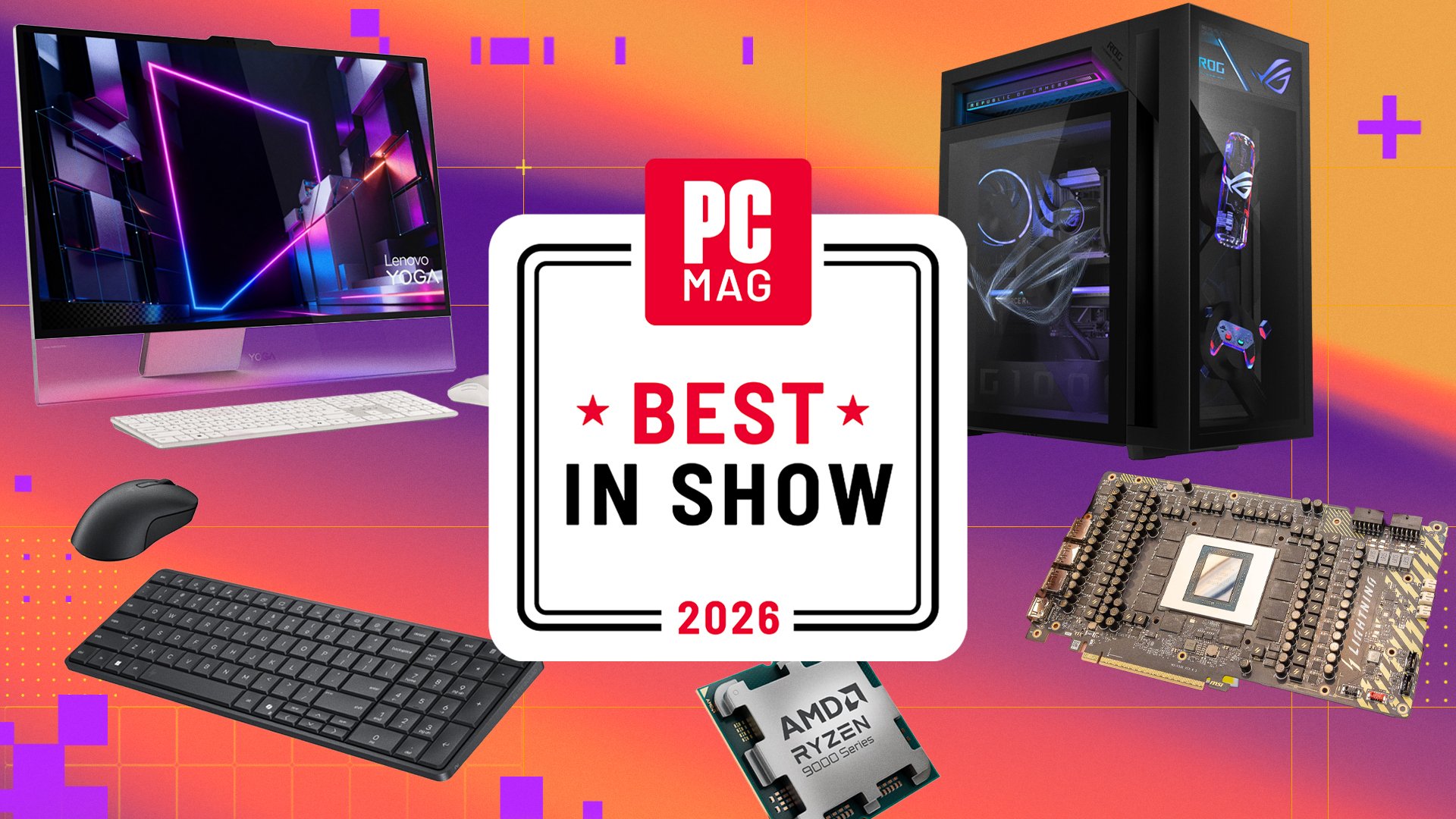



Awesome All In Ones Potent Components The Top Desktops And PC Parts. TikTok Shop PC Seller 2026 Panduan Lengkap Jualan Online Dari Komputer Gemini Generated Image 1 . PC Prices Expected To Jump By Up To 8 In 2026 Notes Report TechPowerUp . Should You Build A PC In 2026 Mid Range Gaming Build Guide January Cld Sample . What Does 1000 Actually Get You In The 2026 PC Market 1000 Dollar Gaming Pc Performance Tradeoffs 2026

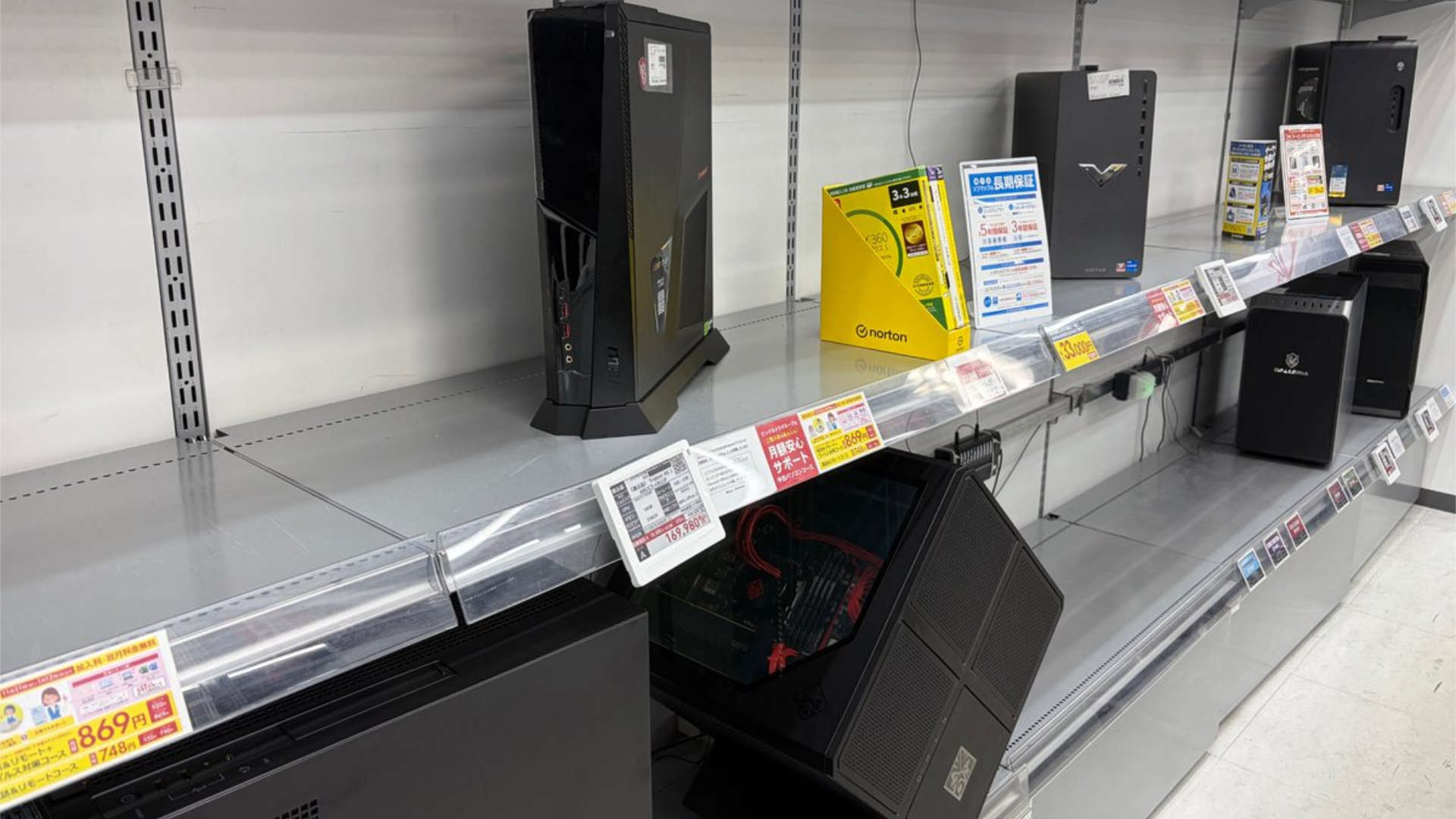

Directory Of Budget PC Parts Sellers Directory Of Budget Pc Component Sellers 1200px V1.webp. Building A Gaming PC In 2026 Is DIFFERENT YouTube . IDC Expects Average PC Prices To Jump By Up To 8 In 2026 Due To . Wow Worthy Builds Only The 12 Top PC Cases We Saw At CES 2026 PCMag 28 . The 2026 Indian PC Buyer Best Roadmap What To Buy Skip Wait Best Pc Buying Guide 1200x675


Why You Need To Buy Your Next PC Right Now Before Prices Explode In 2026 A Computer Case And A Miniature Shopping Cart With Some Dollar Bills . PC Parts To AVOID Buying 2026 YouTube . The Top Desktop PC Brands For 2026 According To Thousands Of Our 1.fit Lim.size . 20 000 Budget Gaming PC Build Guide Philippines 2026 PC PARTS MANILA Budget Build 1024x768 . Best Company For Pc Parts At Ben Birtwistle Blog 05 Most Commonly Used New Computer Parts Among PC Builders 685x1024


How To Sell Used Computer Parts A Seller S Guide Sheepbuy Blog How To Sell Used Computer Parts A Selles Guide . 2026 PC Parts Import Duty Guide Import Duty On Pc Parts Sa 2026 Banner.webp. Wow Worthy Builds Only The 12 Top PC Cases We Saw At CES 2026 PCMag 34 . 2024 PC Shipments Grew With Strong Refresh Cycle Win10 End Chart Worldwide Pc Shipments Growth . IDC Expects Average PC Prices To Jump By Up To 8 In 2026 Due To 2560 80



Lenovo Led Global PC Shipment In 2024 With 61 8 Million Units Apple 650 80 . Awesome All In Ones Potent Components The Top Desktops And PC Parts 23 . The 30 Computer Hardware Design To Read In May 2026 Cherry Picks Computer Hardware Design . Global PC Shipments Up Nearly 4 In 2024 EE Times Asia Canalys 13Jan25 2 . Selling Pc Parts Laptops And Pre Built Systems Linus Tech Tips 01 01at4 52 14AM




Wow Worthy Builds Only The 12 Top PC Cases We Saw At CES 2026 PCMag 25 . Wow Worthy Builds Only The 12 Top PC Cases We Saw At CES 2026 PCMag 22 . Global PC Market Rebounds By 3 In Q2 2024 Due To The AI PC Hype . The Best PC Hardware And Software Of 2025 2026 PCWorld PCW Awards 2025 2026 2 1 . Is It Cheaper To Build Your Own PC In 2026 GEEKOM UK New Year Deal.webp
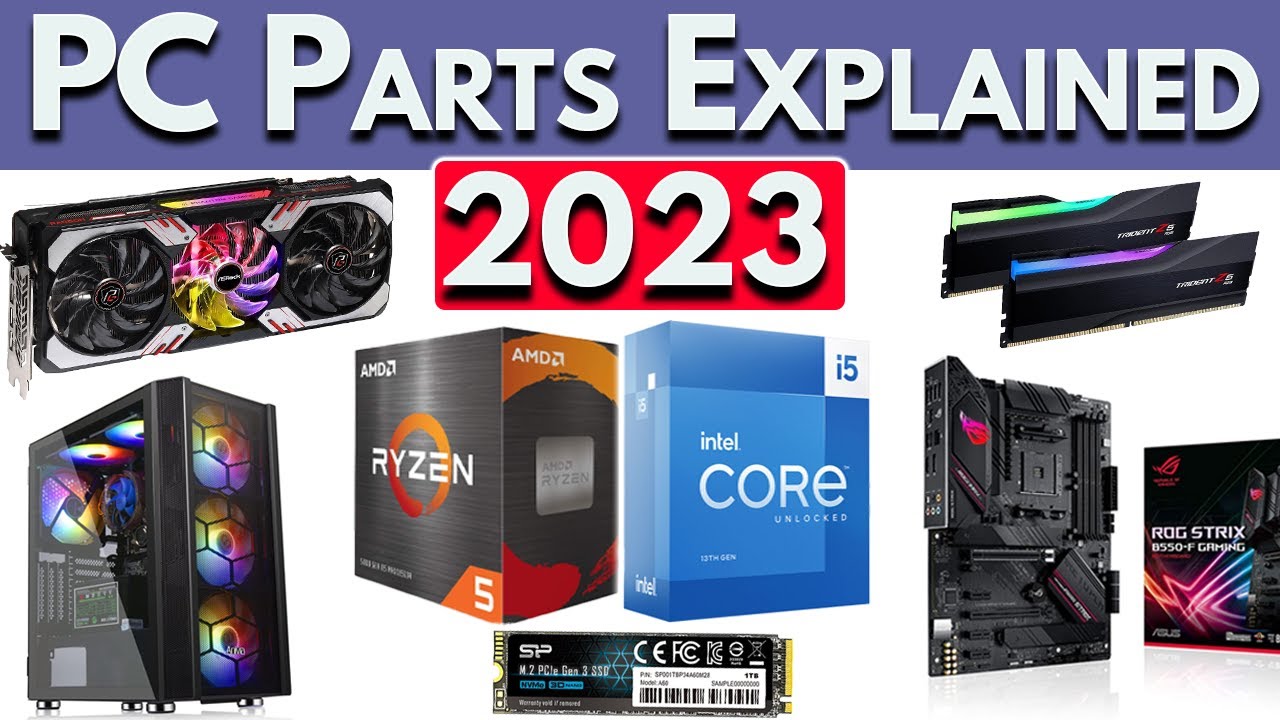
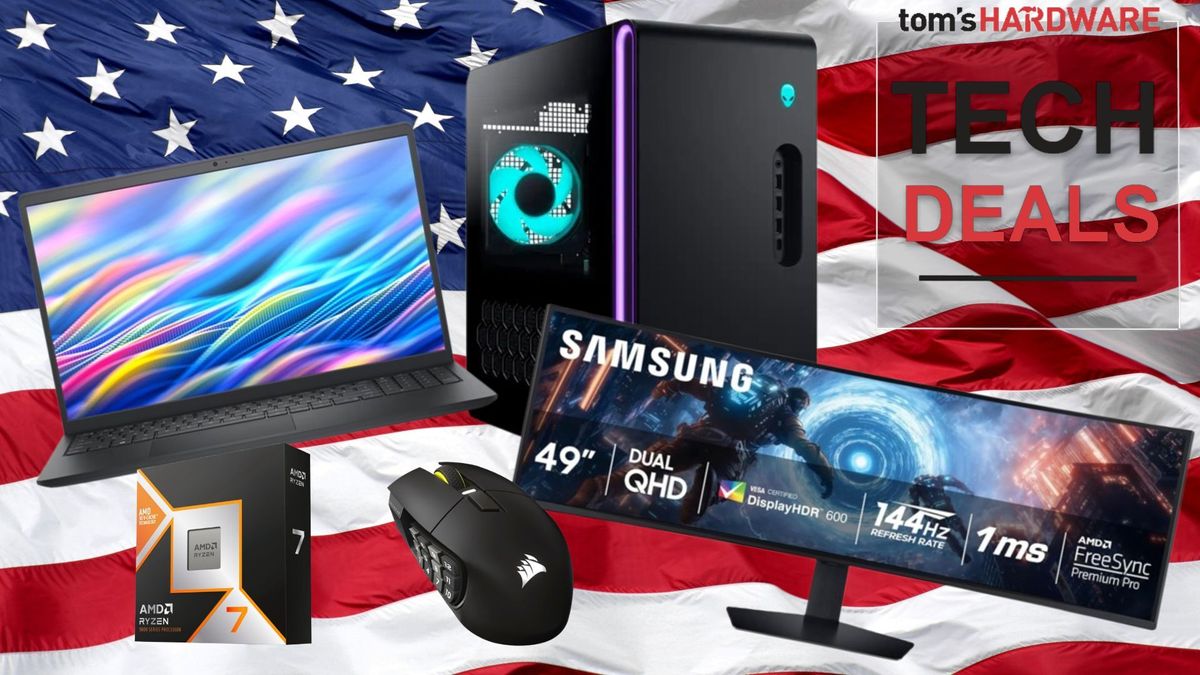
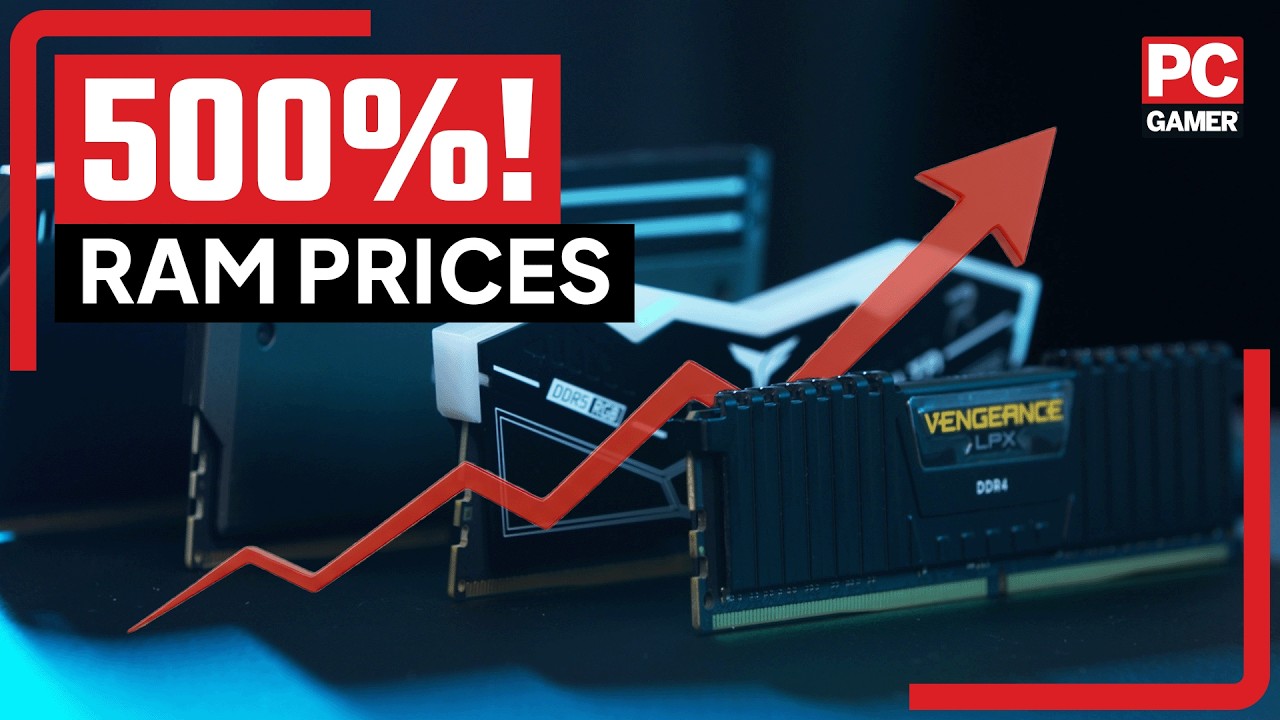
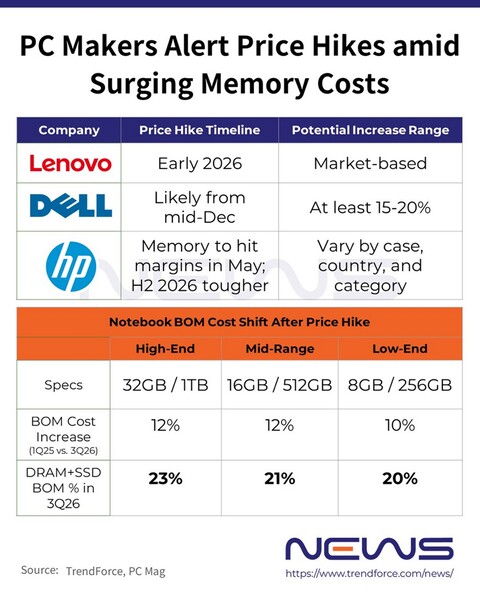

PC Parts Explained How To Build A PC 2023 Best PC Build 2023 YouTube . The Best Presidents Day 2026 Gaming PC Laptops And Component Deals 1200 80 . Forget What You Heard There S Plenty Of PC Hardware To Be Excited . With Memory Prices Expected To Rise Another 45 In 2026 Lenovo May Csm 4a536b9dd7 . VIDEO The 2026 Colorado Seller S Playbook TimeToSell Ai Video 2026 Colorado Seller Playbook 20251105 666C2B