Navigating the fine line between passionate gaming and potential addiction can be tricky for busy US gamers. This comprehensive guide moves beyond simple hour counts to explore what truly constitutes gaming addiction focusing on impact and behavioral changes. With 87% of US adults regularly engaging in gaming averaging over 10 hours per week understanding healthy boundaries is crucial. We delve into identifying warning signs balancing your digital life with real-world responsibilities and practical strategies for maintaining a fulfilling gaming experience without sacrificing your job family or personal well-being. Discover expert advice on managing screen time fostering responsible habits and finding support to ensure gaming remains a source of relaxation skill-building and social connection not a cause for concern. Learn how to optimize your gaming lifestyle prevent common pitfalls and stay current with gaming trends responsibly.
Q: What is the most common misconception about how many hours of gaming is addiction?
A: The most common misconception is that gaming addiction is solely defined by a specific number of hours played per day or week. In reality, it's not about the quantity of time, but rather the *impact* that gaming has on an individual's life, responsibilities, and overall well-being. Someone could game for many hours responsibly, while another could game for fewer hours and experience significant impairment.
Q: How do experts like the WHO define gaming addiction or gaming disorder?
A: The World Health Organization (WHO) classifies Gaming Disorder as a pattern of gaming behavior characterized by impaired control over gaming, increasing priority given to gaming over other life interests and daily activities, and continuation or escalation of gaming despite the occurrence of negative consequences. This pattern must be sufficiently severe to result in significant impairment in personal, family, social, educational, occupational, or other important areas of functioning, and would normally have been evident for at least 12 months.
Q: What are the key behavioral signs that indicate gaming might be becoming an addiction, beyond just time spent?
A: Key behavioral signs include preoccupation with gaming when not playing, withdrawal symptoms (irritability, anxiety, sadness) when unable to play, unsuccessful attempts to cut back on gaming, neglecting major responsibilities (work, school, family), losing interest in other hobbies, deceiving loved ones about gaming time, and continuing to game despite negative consequences like job loss or relationship problems.
Q: Can gaming actually be beneficial, and how does that differ from problematic use?
A: Absolutely, gaming offers numerous benefits, including stress relief, problem-solving skills, social connection, and improved cognitive function. Problematic use differs when gaming's negative impacts outweigh these benefits, leading to significant distress or impairment in daily life. A beneficial gamer maintains balance and control, integrating gaming positively, whereas a problematic gamer loses this balance and control.
Q: Why might busy adults, who usually balance many responsibilities, be vulnerable to gaming addiction?
A: Busy adults can be vulnerable to gaming addiction because gaming often serves as an accessible escape from stress, a quick way to socialize, or a means to achieve a sense of accomplishment that might be lacking elsewhere. The immediate gratification, constant updates, and social aspects of modern games can make them particularly appealing as a coping mechanism, even when time is limited.
Q: What practical steps can gamers take to ensure their hobby remains healthy and doesn't cross into addiction?
A: Practical steps include setting clear time limits and sticking to them, scheduling non-gaming activities first, communicating gaming plans with family, diversifying hobbies, using in-game breaks, choosing games that fit your schedule, and regularly self-assessing your gaming habits. It’s about conscious, mindful engagement rather than passive consumption.
Q: If I'm concerned about my own or a friend's gaming habits, what immediate resources are available?
A: If you're concerned, immediate resources include self-assessment questionnaires online, discussing it with a trusted friend or family member, seeking advice from a primary care physician, or looking into mental health professionals specializing in behavioral addictions. Support groups, both online and local, can also provide a valuable community and guidance for developing healthier habits.
For many US gamers, hitting the controller or keyboard after a long day is a cherished ritual. It's a way to unwind, connect with friends, master new skills, or simply escape into incredible digital worlds. With recent data showing that a staggering 87% of US adults regularly engage in gaming, often averaging over 10 hours per week, it’s clear that gaming is a mainstream pastime. But amidst the fun and relaxation, a question quietly lingers for many who juggle jobs, families, and life's endless demands: how many hours of gaming is addiction? This isn't just about clocking time; it's a deeper concern about control, balance, and impact.
We’ve all heard the stereotypes, but for adults in their prime, typically around age 36, who value both their digital adventures and their real-world responsibilities, this question hits different. You want to enjoy your hobby, perhaps optimize your performance, or stay current with the latest releases without letting it derail your life. This guide will cut through the noise, offering practical, no-hype advice on understanding gaming addiction, recognizing its true signs, and empowering you to maintain a healthy, balanced relationship with your favorite games. We'll provide real solutions to common pain points, from setting up a balanced routine to spotting red flags, ensuring your gaming life remains an asset, not a liability.
How Many Gaming Hours Is Addiction Really About?
It’s a common misconception that gaming addiction is simply defined by a specific number of hours spent playing. The truth is, there isn't a magic number like
Gaming addiction is defined by impact on life not just hours played Recognizing signs like neglecting responsibilities or withdrawal is crucial Balancing gaming with work and family life requires conscious strategies and communication Responsible gaming involves setting limits diversifying hobbies and mindful play Seeking support from professionals or community groups is a healthy step if problematic patterns emerge Certain game types and social pressures can increase addiction risk Mobile gaming is a significant factor in current US gaming habits and potential addiction patterns Understanding the difference between a dedicated gamer and an addicted one is key
35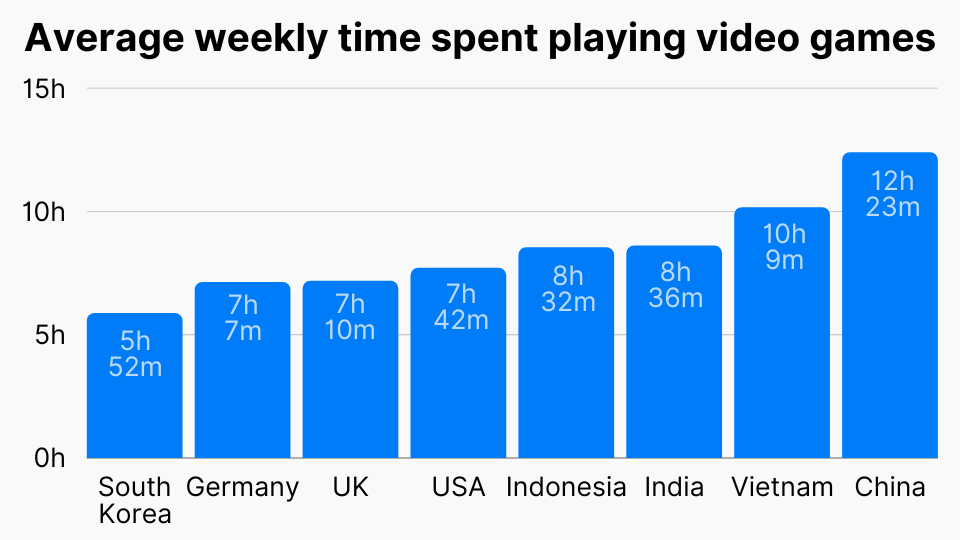

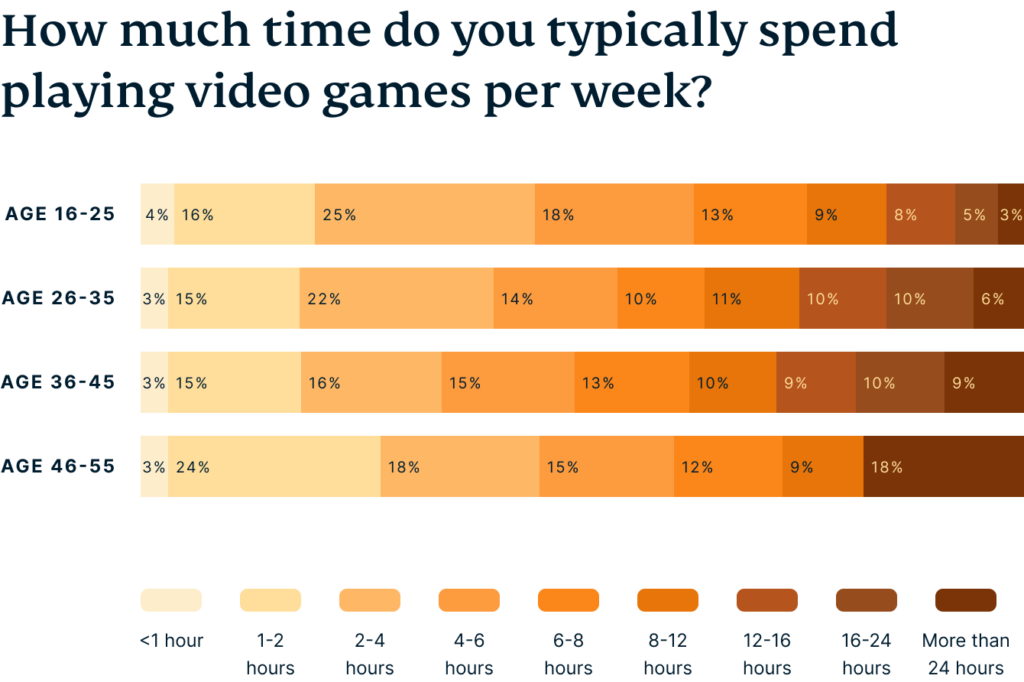
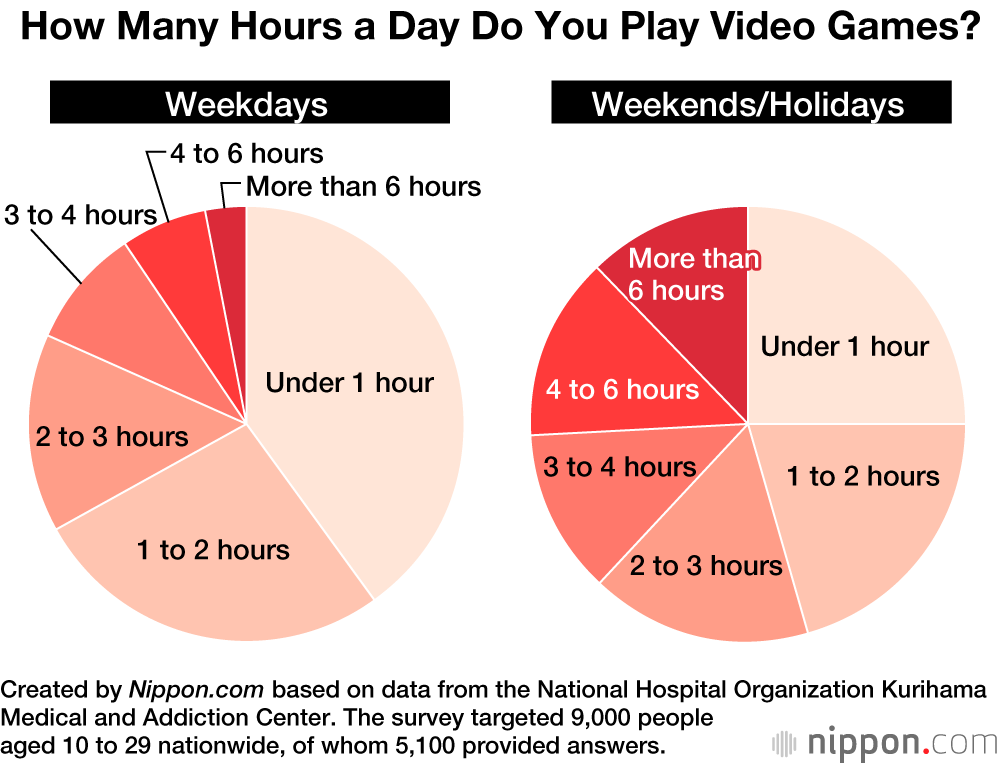
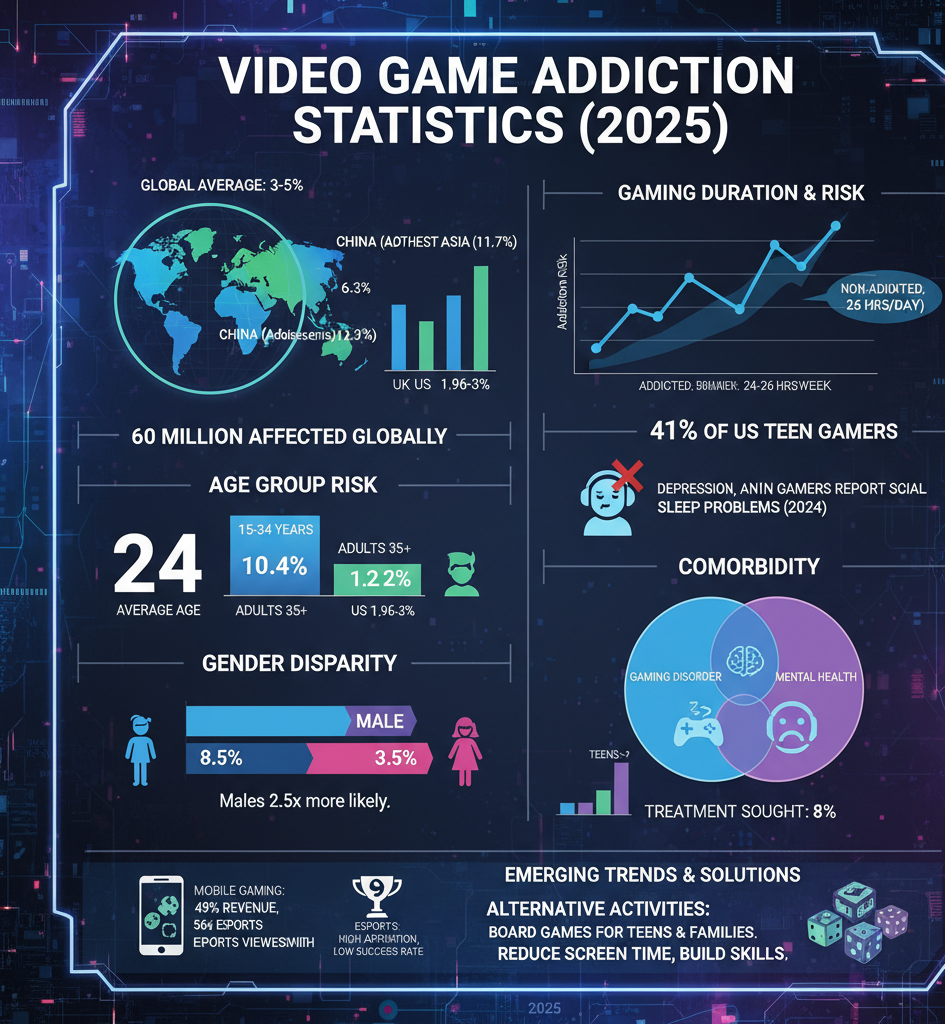
45 Video Game Addiction Statistics 2026 How Many People Are Addicted Average Weekly Time Spent Playing Video Games . Global Gaming Addiction Statistics 2025 Global Gaming Addiction Statistics 2025 . Awe Inspiring Examples Of Info About How Many Hours Screen Time Is Video Games Survey Graphic 1 1024x682 . Video Game Addiction Statistics Image 2 . Gaming Statistics 2025 Mobile PC Console Trends Video Game Addiction Statistics 2025
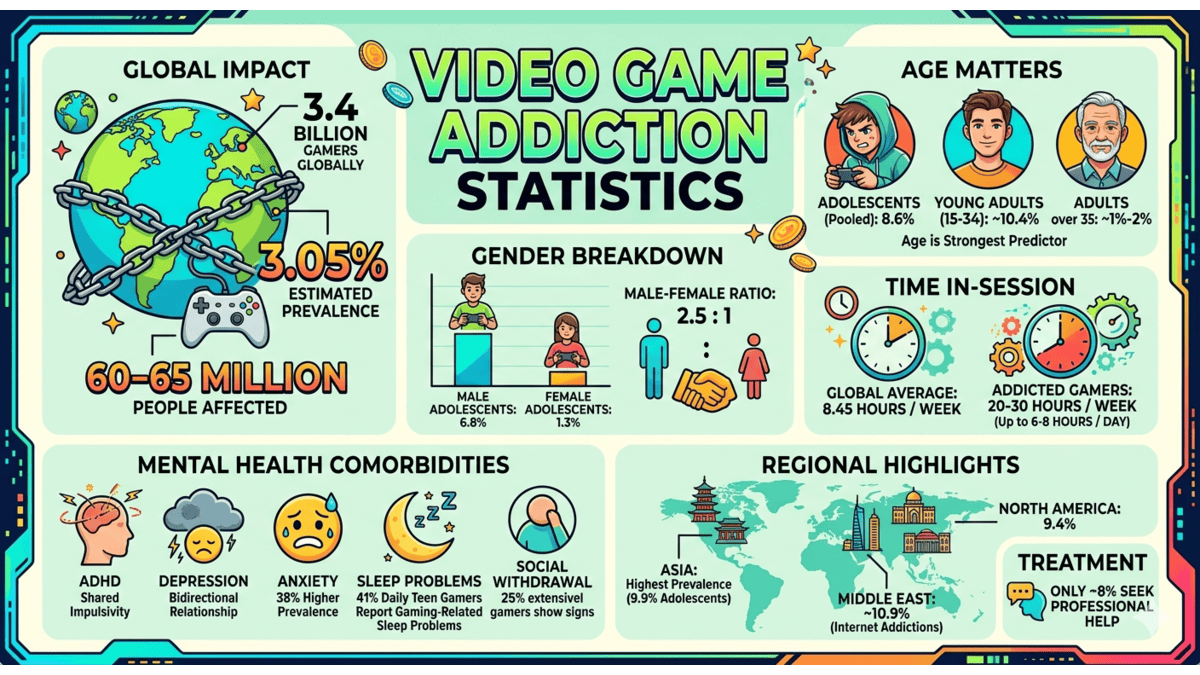
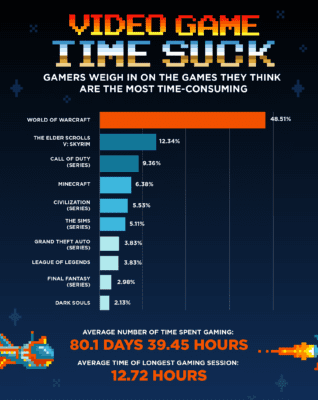
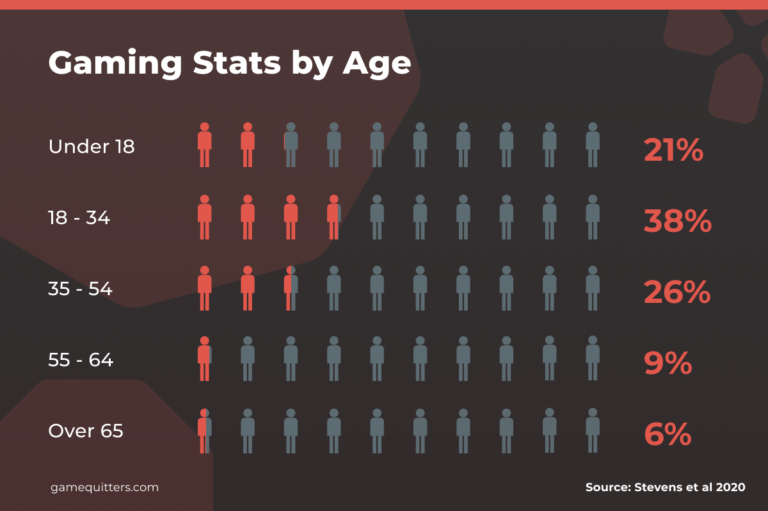
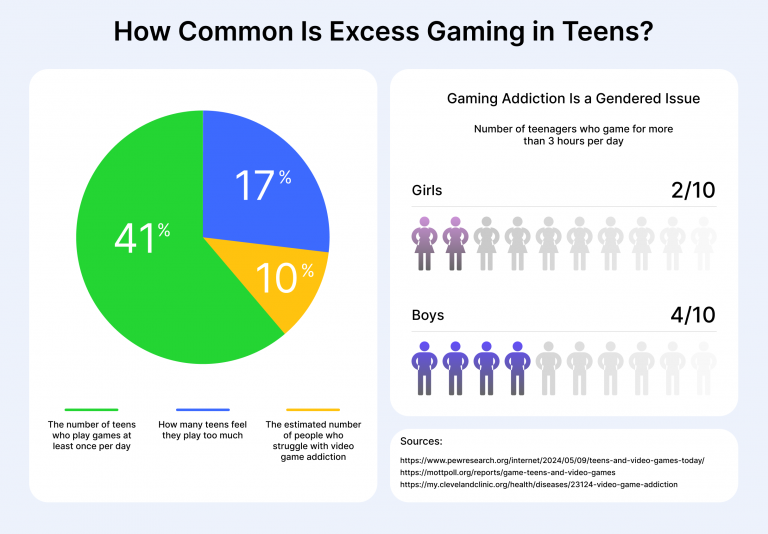
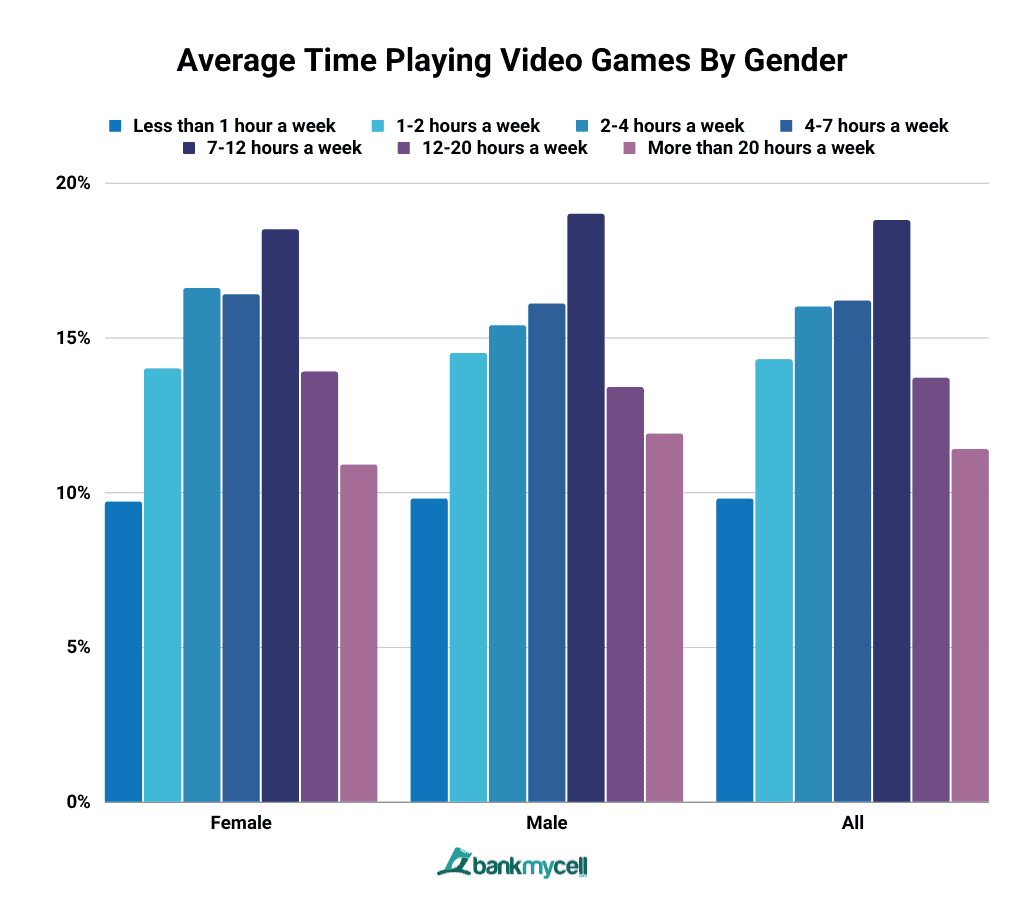
Video Game Addiction Statistics 2026 Video Game Addiction Statistics 2026 . Extra Life Video Game Addiction Statistics FHE Health TAKE5 GAMING 101917 03 318x400 . Is Gaming Addictive What You Need To Know Gaming Stats By Age 768x511 . The Impact Of Online Gaming On The Mental Health Of Teenagers How Common Is Excess Gaming In Teens 768x534 . How Many People Play Video Games In The World 2026 S52 9 Average Time Playing Video Games Gender

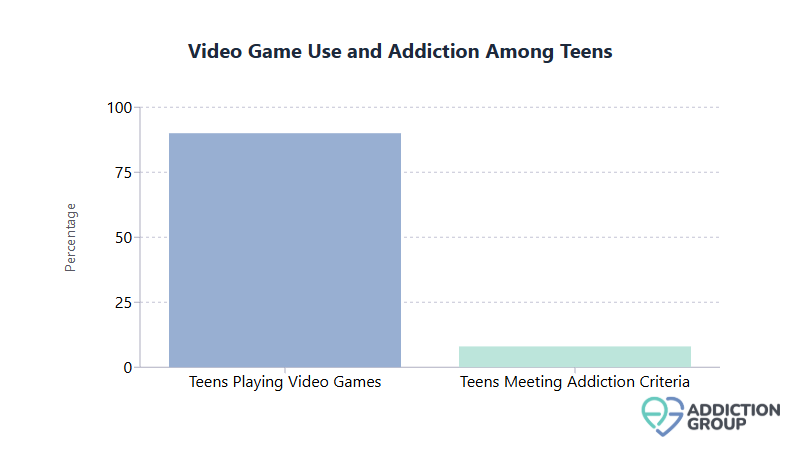
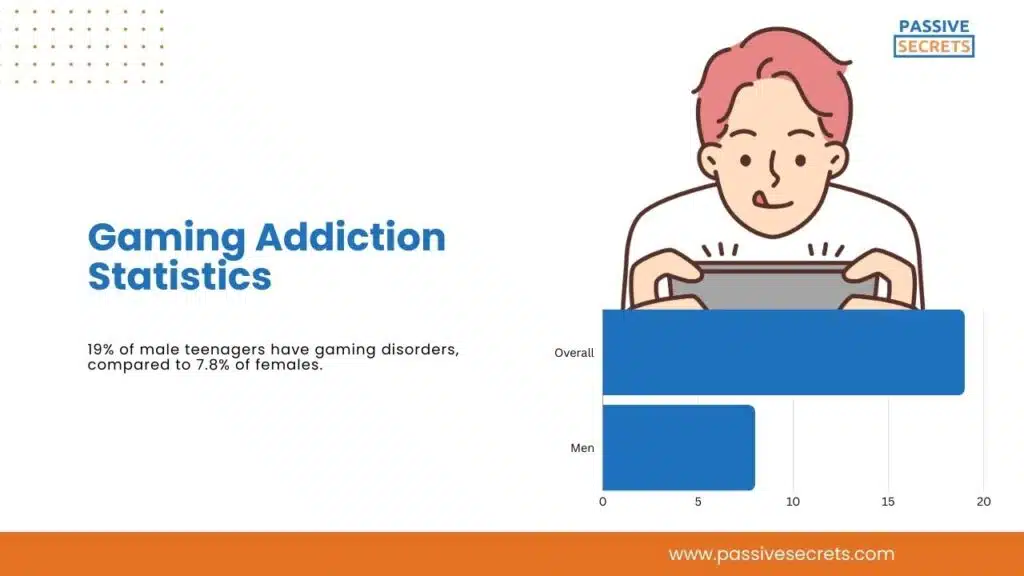
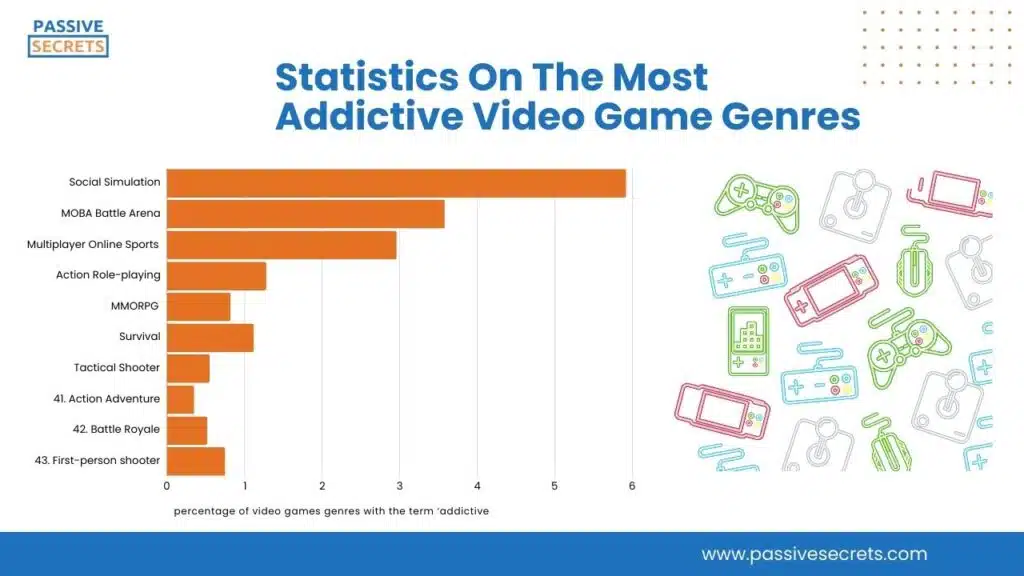

Video Game Addiction Facts And Statistics At Jamie Tolentino Blog 25117 . Gaming Addiction National Trends And Statistics Addiction Group Teen Gaming Vs Addiction . 80 Alarming Technology Addiction Statistics You Must Know Gaming Addiction Statistics 1024x576 .webp. 50 Helpful Video Game Addiction Statistics Facts In 2026 Statistics On The Most Addictive Video Game Genres 1024x576 .webp. 49 Video Game Addiction Statistics Most Addictive Games Image 7 758x1024
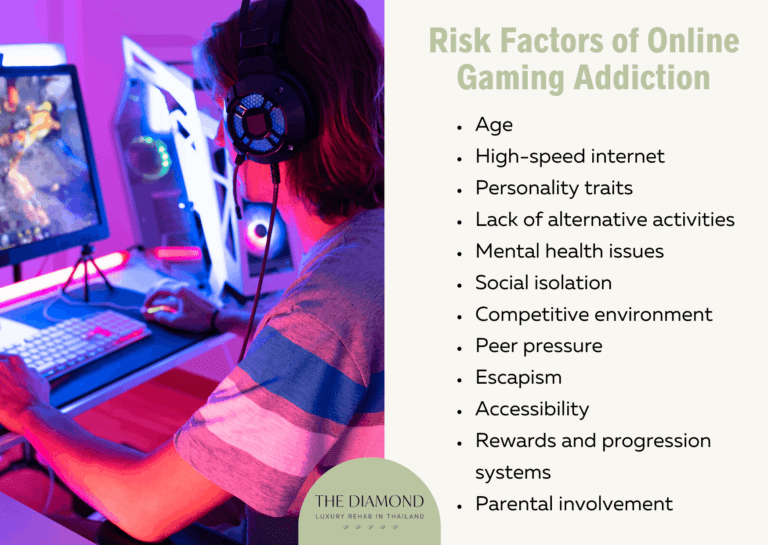


Online Gaming Addiction Signs Risk Factors And Treatment The Risk Factors Of Online Gaming Addiction 768x545 . Is Gaming Addictive What You Need To Know 6f39f9c2 . 30 Video Game Addiction Statistics Video Game Addiction Infographic . Is Gaming Addictive What You Need To Know Screenshot 2019 10 10 Neat Illustrated Gaming . Video Game Addiction Statistics 2026 Icon Era Statistics Video Game Addiction Statistics 2025

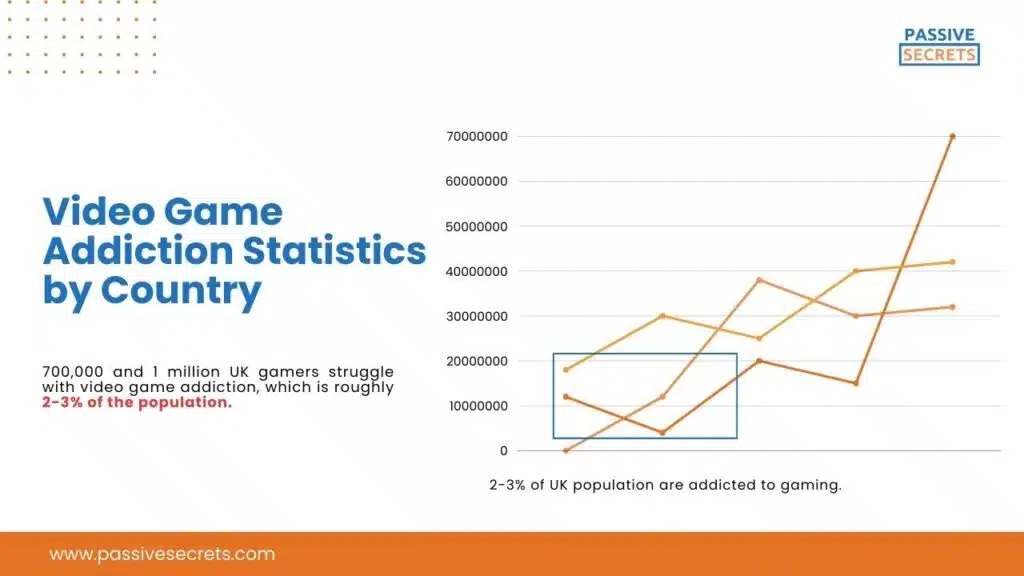


Video Game Addiction 11 Signs Symptoms Treatments Video Game Addiciton Graphics 01 Addiction Happens When Gaming Negatively Impacts 1536x768 . How Many Hours Of Gaming A Day Is Considered An Addiction White Teen Gaming Addiction 1536x864 . 50 Helpful Video Game Addiction Statistics Facts In 2026 Video Game Addiction Statistics By Country 1024x576 .webp. 45 Video Game Addiction Statistics 2026 How Many People Are Addicted Percentage Of Gamers Among Internet Users 1 . 82 Worrying Technology Addiction Statistics 2026 More Than 105.6 Million Gamers Are Addicted To Gaming


50 Helpful Video Game Addiction Statistics Facts In 2026 Video Game Addiction Statistics Facts And Trends 768x1152 . 45 Video Game Addiction Statistics 2026 How Many People Are Addicted Video Game Addiction Statistics . Video Game Addiction Signs Symptoms And How To Get Help Treatment For Gaming Addiction . 45 Video Game Addiction Statistics 2026 How Many People Are Addicted 94 Of Game Addicts Are Male The Remaining 6 Are Female . 45 Video Game Addiction Statistics 2026 How Many People Are Addicted More Than 105 Million Gamers Worldwide Are Addicted To Gaming 1
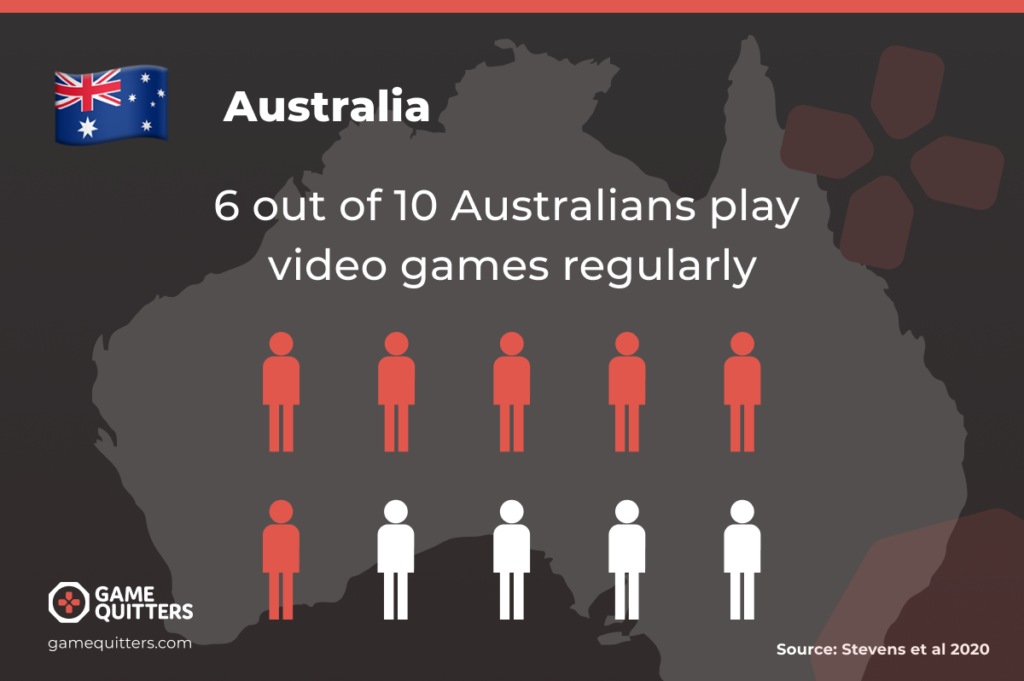
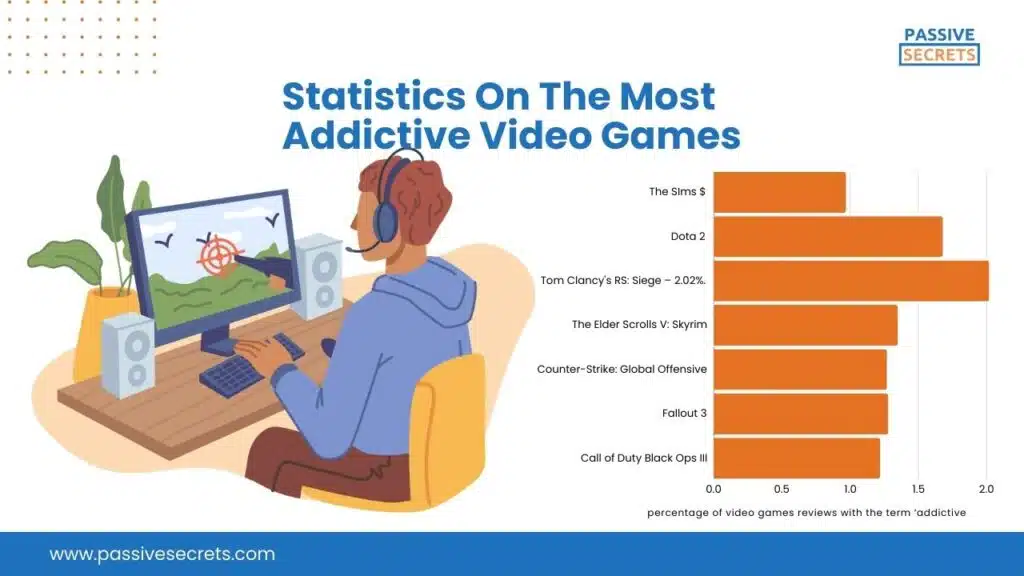
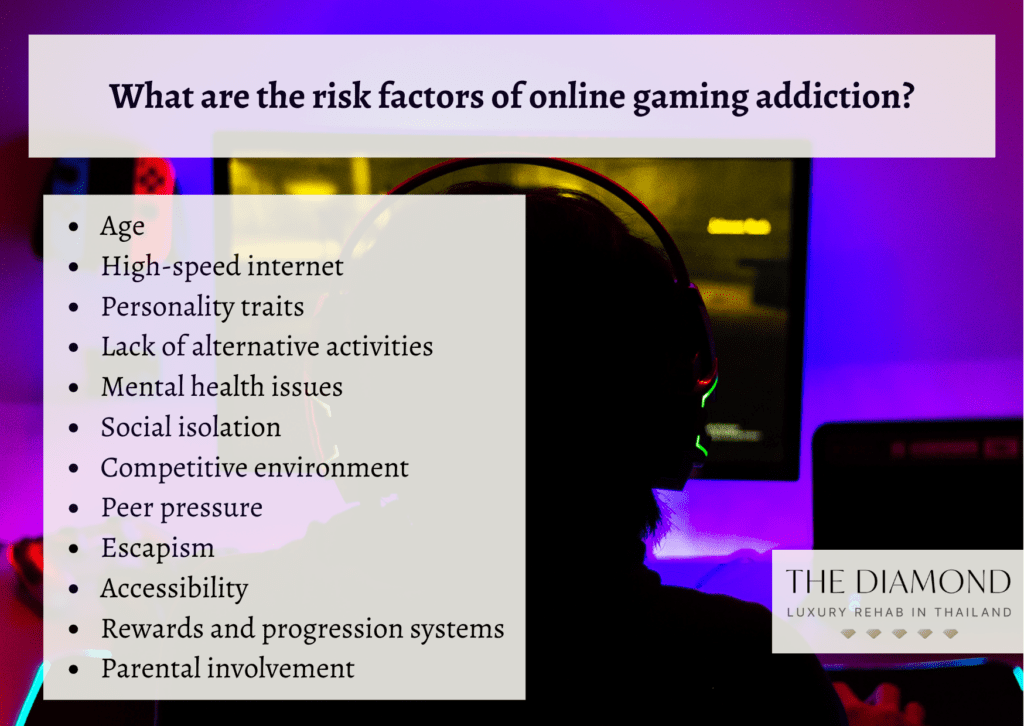
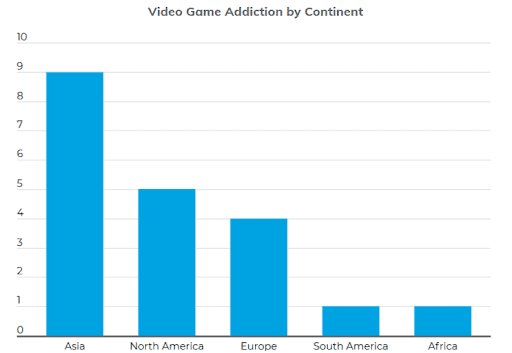
Video Game Addiction Statistics 2023 6 Out Of 10 Australians Play Video Games 1024x681 . Video Game Addiction Statistics 2021 Is The World Addicted To Video Video Game Addiction Statistics P 1080 . 50 Helpful Video Game Addiction Statistics Facts In 2026 Statistics On The Most Addictive Video Games 1024x576 .webp. Online Gaming Addiction Signs Risk Factors And Treatment The The Risk Factors Of Online Gaming Addiction 1024x726 . Video Game Addiction Teenagers And Gaming D Connect Video Game Addiction Worldwide